I like the new format here with bolt headlines, as it’s easier to read for me.
1 Like
Weekly Macro Brief – week of 17–24 Nov 2025
- Fed cuts are no longer guaranteed — and the data is messy: The delayed jobs report showed hiring slowing (119K jobs) and unemployment rising to 4.4%, but not enough weakness to force a cut. Fed officials disagree sharply: some want to pause, others want to cut again. Markets now see December as a 50/50 chance instead of a sure thing. Shutdown-distorted data makes the Fed’s job harder. [WF][JPM-WM]
- AI profits remain strong — but investors are questioning the “quality” of those earnings: S&P 500 earnings keep rising, and AI-linked companies still drive most upgrades. But there’s debate about whether tech giants are using slow depreciation (5–6 years instead of 2–3) to make profits look better. Risky AI-themed assets (Bitcoin, meme ETFs) also sold off, showing nerves around the theme. [EY][MER]
- Consumers look okay overall — but the gap between rich and poor is widening fast: Spending grows 2–3%, but mostly because wealthy households are flush with stock-market and housing gains. Lower-income households face weak wage growth, unaffordable housing and rising delinquencies. Consumer sentiment is at recession-like lows (51) even though stocks are near record highs — a disconnect we’ve never seen before. [JPM-AM][MER][CB]
- Tariffs and energy: inflation is sticking around, but not spiraling: Tariffs are keeping goods prices elevated (coffee +20%, canned goods +5%). The government rolled back some food tariffs, but they’re too small to move overall inflation. AI data-centers will push electricity demand up, with some regions seeing 40–60% higher power prices by 2030 — but energy is such a small share of consumer budgets that the national impact stays limited. [WF][MER]
- Europe looks cheap and is slowly reforming — but still best used selectively: European stocks trade at large discounts vs the U.S. Activity is stabilizing and some major reforms are underway. BlackRock stays neutral overall but prefers financials, utilities and healthcare, with defense and AI-adoption opportunities on the radar. [BLK]
Sources:
https://mlaem.fs.ml.com/content/dam/ML/ecomm/pdf/CMO_Merrill_11-17-2025_ada.pdf
1 Like
Weekly Macro Brief Ending December 2, 2025
- Fed on track for a third “risk-management” cut – with a softer but still intact labor market: Backlogged data and the shutdown make the economy harder to read, but what we do see is a “no hiring, no firing” stasis: payroll growth slowing, unemployment at 4.4%, jobless claims still low and wage growth moderating. That combination gives the Fed cover to cut again on Dec. 10 without obviously “cutting into strength.” BlackRock expects another 25 bp cut next week and room to trim further in 2026 if the labor market keeps cooling in this orderly way. [BLK][CB]
- Earnings and AI capex are still driving the cycle – but leadership is broadening and quality is under scrutiny: S&P 500 EPS is growing ~13% y/y (about 2x the long-run average) with profit margins near or at record highs and forward earnings at all-time highs. AI-related stocks have powered roughly 75% of total S&P returns, ~80% of earnings growth and ~90% of capex growth since late 2022, but the latest pullback showed the market is becoming more selective on who actually monetizes the AI build-out. Yardeni’s work shows that both the Magnificent 7 and the “impressive 493” are contributing to earnings growth, with forward EPS for the full index above $300 already. [JPM-WM][CB][EY]
- Roaring 2020s base case intact – melt-up odds trimmed, bear tail slightly fatter: Yardeni keeps a 55% subjective probability on a “Roaring 2020s” scenario (productivity-led expansion, no classic recession, S&P 500 reaching ~10,000 by 2029) but cuts the odds of a near-term melt-up from 25% to 15% after last week’s AI correction, reallocating the 10% to a higher bear-scenario probability (20% → 30%). He still sees productivity rising toward 3–4% per year, real wages rising and profit margins staying high, but acknowledges more room for valuation air to leak out of AI leaders. [EY]
- Household balance sheets and real wages are a powerful shock absorber: Bilello highlights record U.S. household net worth (~$160T vs. ~$26T in the mid-1990s), a record number of 401(k) and IRA millionaires, and 29 consecutive months of positive real wage growth after a long squeeze. Rents, when adjusted for wages, are at their most affordable level since at least 2017, and it is ~40% more expensive to buy than rent – effectively encouraging “patient renters” and slowing housing-related stress. [CB]
Sources:
Weekly Macro Brief Ending December 10, 2025
-
Fed will almost certainly cut – but the split and the path after that matter more than the cut itself: Both Wells Fargo and JPM AM expect a 25 bp cut this week to 3.50–3.75%, but flag unusually open dissent: several regional presidents may vote against easing, and at least one governor wants faster easing. The median 2026 dot is expected to stay around 3.375%, well above market pricing of multiple cuts. A cut with 3–4 hawkish dissents would be a hawkish outcome for markets and could push the next cut out to March or later. [WF][JPM-AM][CB]
-
Growth is slowing, not stalling – services still carry the torch as goods, capex and labor cool: Q3 real GDP is tracking roughly 2½–3½% annualized, but Q4 looks close to zero as auto sales, “old-economy” capex (trucks, drilling, housing) and government output soften. Services and the consumer still drive growth, helped by 29 straight months of real wage gains, but payroll growth has practically stalled and unemployment has crept up to ~4.4–4.5%. [WF][JPM-AM][CB]
-
Inflation is sticky around 3%: tariffs and energy on one side, rents and gas on the other: Headline and core inflation prints through September are roughly in line with expectations: CPI ~3%, PCE just above 3%. Tariffs are feeding into core goods, electricity and gas prices, but falling gasoline, soft travel/auto demand and rising rental vacancies are restraining overall inflation. JPM expects PCE to edge up slightly in early 2026 as tax refunds boost spending, then drift back toward (or slightly below) 2% by late 2026–27. [WF][JPM-AM][CB]
-
Markets are priced for perfection: The S&P 500 is up ~17–18% YTD with earnings up ~13% in 2025 and 17% pencilled in for 2026, profit margins at a record ~13.6% – and valuations stretched: price/peak earnings ~26x (50% above median), price/sales at an all-time high, and CAPE around 40, a level only seen around 1999–2000. Historically, this combination implies lower long-run equity returns even if it tells you very little about the next 6–12 months. [CB]
-
AI is now a genuine macro force – and a financing problem: BlackRock frames AI as “micro is macro”: an unprecedented, capital-intensive build-out front-loads capex and leverage while back-loading earnings and productivity gains. The bulls’ case (AI breaks the 2% U.S. growth trend) is now embedded in risk assets; any disappointment on growth, earnings or the ability to fund capex at current yields is a key macro risk. They stay pro-risk and overweight U.S. equities on the AI theme but underweight long bonds. [BLK][CB]
Sources:
1 Like
Weekly Macro Brief Ending December 15, 2025
-
Fed cut, but January is truly “live”: The FOMC cut 25 bps to 3.50%–3.75%, with Powell emphasizing a wide dispersion of views and “options open” for January; Wells Fargo reads the statement language as a higher bar for additional cuts and expects Jan hold, then cuts in March & June to a 3.00%–3.25% terminal range. [WF]
-
The bigger story is term premium, not the Fed: Developed-market long yields spiked (Japan’s long end particularly), reinforcing BlackRock’s “diversification mirage”. Long-duration Treasuries may deliver less ballast precisely when you want them most. BlackRock prefers short USTs and wants a “plan B” hedge. [BLK] Yardeni echoes this, noting the Fed can cut while 10Y yields rise, effectively offsetting easing (“bond vigilantes”). [EY]
-
AI remains the cycle’s engine—but scrutiny is rising: BlackRock stays pro-risk on AI but notes a week where AI-linked capex concerns hit tech (Nasdaq down ~2%). Yardeni highlights rising debate over earnings quality (depreciation/accounting of chips) but frames it as not fraud—more “2–3” than “10” on a fraud scale—while competition (Gemini/DeepSeek) could shift gains from the “Magnificent 7” toward the “Impressive 493.” [BLK] [EY]
Sources:
1 Like
Weekly Macro Brief Ending January 5, 2026
-
The biggest macro risk for 2026 is policy — especially tariffs and the bond market — not the usual economic data: JPM-AM expects the Supreme Court to overturn “reciprocal tariffs” around mid-2026, lowering the effective tariff rate on goods from ~11% to ~7.5%. That would support growth and lower inflation later in the year, but it would also worsen the fiscal outlook. Yardeni separately warns this ruling could hit as early as January and shock markets.[JPM-AM][EY]
-
Bond yields are the main channel through which things can break: BlackRock says rising government debt and heavy issuance are pushing up term premium, making long-dated U.S. Treasuries less reliable as a hedge. Yardeni agrees and warns that a mix of large deficits and “too-easy” monetary optics could trigger a fast jump in 10-year yields, similar to 2023. [BLK][EY]
-
The economy looks resilient, but the data are noisy and partly misleading: JPM-AM highlights three distortions: consumer confidence is extremely weak even though the economy is holding up; inflation and labor data are distorted or missing; and major 2026 policy decisions (tariffs, courts, elections) could quickly change the outlook. Markets are priced for a smooth path despite this uncertainty. [JPM-AM]
-
AI remains the main growth engine — but valuations leave little room for mistakes: BlackRock estimates AI-related investment drove roughly half of U.S. growth in 2025, with business investment contributing nearly three times its pre-pandemic average. This supports staying risk-on. JPM-AM agrees earnings can stay solid due to productivity gains, but warns equity valuations are already high. [BLK][JPM-AM]
Sources:
1 Like
Weekly Macro Brief Ending January 13, 2026
Fed: January hold, March live: December jobs were weak enough to keep rate cuts in play, but not weak enough to force a January move. Wells strengthens its call for a March cut, and JPM Wealth Management also says a January cut is unlikely. [WF], [JPM-WM]
Inflation: calmer trend, but the next CPI matters: December CPI is the first cleaner inflation read after shutdown-related noise. BlackRock warns that early-year CPI often surprises to the upside, while JPM-WM notes inflation is slower than a year ago but still not fully resolved. [BLK], [JPM-WM]
Tariffs: the real macro trigger is the Supreme Court: Wells notes the Court has not ruled yet but a decision could come soon, and that even a strike-down may not materially reduce tariffs if alternative authorities are used. Yardeni also flags a tariff ruling “this month” as a key market risk. [WF], [EY]
Equities: earnings strength is broadening beyond mega-caps: BlackRock sees the earnings gap narrowing between the Magnificent 7 and the rest of the market, with AI and other mega forces supporting cyclicals. Merrill also highlights earnings upgrades spreading globally into cyclical and value sectors and favors more international diversification. Yardeni expects X-Mags to outperform Mags this year due to emerging “AI fatigue.” [BLK], [MER], [EY]
Sources:
1 Like
Weekly Macro Brief Ending January 20, 2026
- The key macro risk is Fed independence — not next week’s data: Wells Fargo warns that DOJ subpoenas related to the Fed building renovation raise political pressure on the Federal Reserve. While this is unlikely to change near-term rate decisions, it makes it harder for the next Fed Chair to build consensus inside the FOMC and increases uncertainty around future policy credibility. Yardeni is more explicit: he sees the pressure campaign as political and argues it raises the risk of market volatility (“choppiness”), with gold benefiting as a hedge against institutional risk. [WF] [EY]
- The base case is still “cooling inflation, not breaking” — but rate cuts are less certain: Wells Fargo says inflation is gradually easing toward 2%, consumer spending remains resilient, and housing is stabilizing as mortgage rates ease. Their base case remains a January hold followed by 25 bp cuts in March and June, but they stress that risks are shifting toward later or fewer cuts if inflation re-firms or growth stays firm. Bilello adds that job growth has slowed sharply, but initial jobless claims remain near two-year lows. That points to a low-hire / low-fire labor market, not an imminent recession. [WF] [CB]
- Strong productivity would make the soft landing more durable: Yardeni’s central thesis is that rising productivity plus wealth-driven consumption from baby boomers can keep U.S. growth stronger than the Fed’s ~1.8% long-run estimate, while easing unit labor cost pressure and supporting disinflation. Wells Fargo is more cautious, but still characterizes the economy as cooling in an orderly fashion — not showing signs of stress or imminent breakdown. [EY][WF]
- Market leadership suggests a real regime rotation is underway: Bilello highlights a clear early-2026 reversal in leadership: small- and mid-caps, value, equal-weight indices, REITs, emerging markets and developed ex-U.S. equities are outperforming, while growth stocks and parts of the “Magnificent 7” are lagging. Yardeni reinforces this signal by arguing that earnings strength is broadening beyond mega-caps (“the impressive 493”), which is more consistent with a healthy, durable expansion than a narrow bubble. [CB] [EY]
- Geopolitics now transmits to markets through commodities first: JPM Wealth Management argues that “proximity matters”: the U.S. is prioritizing control and influence over its immediate sphere (Latin America, Greenland) while Middle East tensions remain elevated. Historically, these developments show up first in commodities, especially oil and metals. They flag the Strait of Hormuz as the key global tail risk — low probability, but extremely high impact if disrupted. Strength in gold and silver is consistent with this geopolitical hedge demand. [JPM-WM][EY]
Sources:
1 Like
Weekly Macro Brief Ending January 26, 2026
-
The real macro swing factor is Fed independence risk, not next week’s data:
JPMorgan Asset Management says the key issue for markets is whether monetary policy remains set by the Fed vs. political pressure, after Powell referenced subpoenas tied to renovation testimony and framed it as an independence issue. [JPM-AM] -
Base case remains “growth holds up, inflation not yet solved” — so the Fed likely pauses: Wells Fargo expects no change at the January meeting; growth is supported by resilient consumer spending and AI capex, but rate cuts are getting harder to justify with inflation still above target. BlackRock also expects the Fed to hold given mixed jobs/inflation signals. JPMorgan Asset Management argues the case for holding is strong: labor supply constraints (lower immigration) keep the labor market “tight,” and tariff pass-through plus tax-refund demand could re-lift inflation near mid-year. [WF ] [BLK] [JPM-AM]
-
“Sell America” is more a headline risk than a durable regime (for now):
JPMorgan Asset Management Wealth Management says Europe’s two “big retaliation” threats (services restrictions via ACI and dumping Treasuries) are unlikely because the self-inflicted damage would be huge. Merrill similarly argues foreign demand for U.S. assets remains strong (foreign ownership of U.S. securities at record levels), even amid de-dollarization talk. Yardeni also frames the administration’s Greenland/tariff episode as “negotiating style” but flags the wider geopolitical tail risk and “policy theater” risk. [JPM-WM] [MER] [EY] -
The bond market is the transmission channel — and Japan is the volatility amplifier: BlackRock says the January yield spike (notably Japan long bonds) was largely driven by tariff threats + fiscal worries and shows “immutable laws” constraining policy extremes when debt financing depends on foreign capital. Yardeni also highlights Japan’s long-end yield surge as a “something could break” risk even if the carry trade is more resilient than feared. [BLK] [EY]
Sources:
1 Like
Weekly Macro Brief Ending February 2, 2026
-
Federal Reserve hits “on-hold” posture: bar for cuts rises: Jerome Powell emphasized policy isn’t “significantly restrictive,” while the statement removed some labor-downside language and leaned slightly more hawkish, signaling patience rather than urgency to resume easing. [WF][JPM-WM-Fed]
-
Kevin Warsh nomination: “new chair, same constraints:” Confirmation is likely but could be delayed by Senate politics; more importantly, the Fed chair cannot unilaterally force cuts. President Trump favors lower rates, while Warsh sends mixed signals—historically hawkish, more recently arguing for more aggressive easing—yet institutional consensus remains the binding constraint. [JPM-AM][WF]
-
Government shutdown “redux” becomes a macro variable: The risk of at least a weekend shutdown is high; if extended, delayed or degraded BLS/BEA data could impair Fed decision-making at a sensitive juncture for policy. [WF]
-
Debt/term-premium anxiety spreads from Japan to the U.S. narrative — safe havens wobble, gold becomes a “crisis hedge: ” Government debt is increasingly “tradeable,” with fiscal slippage showing up in currencies and long-end yields rather than equities—weakening traditional havens and reinforcing gold’s role as a hedge. [JPM-WM-Fiscal][EY]
-
**AI capex jitters trigger equity dispersion; infrastructure emerges as a “picks-and-shovels” beneficiary at a valuation discount: ** AI volatility reflects a reshuffling of winners, not the end of the theme. Listed infrastructure trades roughly 20% below its long-run EV/EBITDA average while benefiting from AI build-out, defense spending, energy security and inflation-linked cash flows; most investors remain structurally under-allocated. [BLK]
GPT Summary (Notion)
Sources:

1 Like
Weekly Macro Brief Ending February 12, 2026
-
Real economy is sluggish, markets are not: JPMorgan-Assets Management argues the January “real economy” (consumption + jobs) looks soft once you strip out weather/shutdown noise and “stimulus sugar,” even as equities (Dow > 50,000) and tech capex plans look exuberant. [JPM-AM]
-
Labor is bifurcated: headline stabilization vs demand erosion signals: JPMorgan-Wealth Management reads January payrolls (+130k, UR 4.3%) as labor “troughing,” but Wells Fargo and JPMorgan-Assets Management both stress job openings near multi-year lows and rising layoff announcements as the key “watch this next” risk. [JPM-WM][WF][JPM-AM]
-
Inflation is the spoiler: activity improved, price pressure improved too (up): Wells Fargo sees a rebound in ISM manufacturing/services, but also “prices paid” staying elevated; they expect a firmer core CPI print (0.33% m/m) driven by seasonality, restocking, delayed tariff pass-through and firms testing pricing power. [WF]
-
Tariffs are noisy, not (yet) re-escalating like 2025: Wells Fargo’s January tariff scorecard says headline threats persist, but the average effective tariff rate nudged down modestly (their estimate ~16%) due to new/updated deals, implying more “headline shocks” than a regime shock—so far. [WF]
-
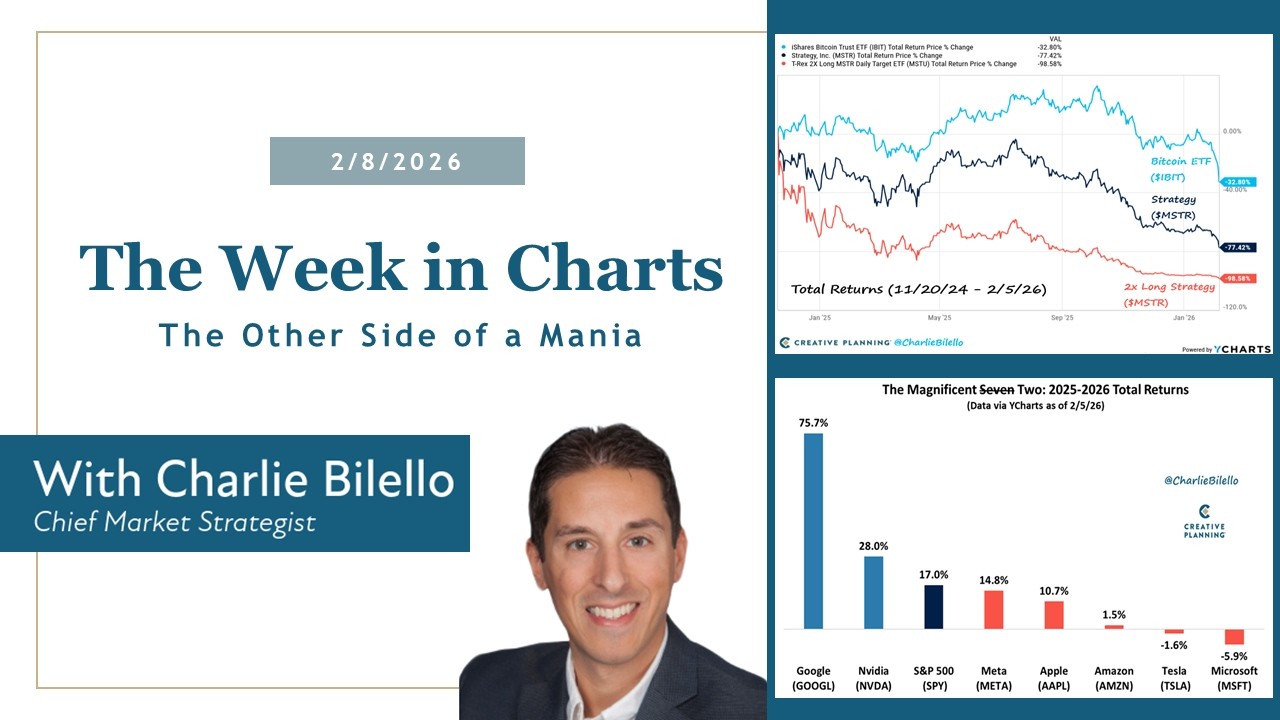
Under the hood, it’s rotation + dispersion, not a broken bull: Merrill and Bilello both highlight leadership rotation away from crowded tech/software into cyclicals/value/smaller caps and non-U.S. equities; Merrill’s point is breadth is building even as AI-related volatility rises. Both stress the broader index held up because money rotated elsewhere. [MER][CB]
-
Fed constrained by the inflation–labor tension: Wells Fargo frames the dual mandate as “stuck in tension” (cooling labor signals but sticky price pressure), and JPMorgan-Wealth Management notes the Fed is meeting-by-meeting after holding at 3.50%–3.75%. [WF][JPM-WM]
Sources:

1 Like
Weekly Macro Brief Ending February 17, 2026
-
AI narrative flips from “builders win” to “software losers emerge:” A broad software selloff reflects markets now treating AI as active disruption to business models (AI agents replacing workflow tasks), not just hype. Dispersion across tech sectors is widening materially. [BLK]
-
AI buildout becomes a macro funding story (corporate leverage + long-duration issuance): Hyperscalers are locking in long-term financing through large IG issuance as capex surges, adding supply to bond markets already absorbing heavy fiscal deficits — reinforcing upward pressure on term premia. [BLK]
-
“Fed pause” logic strengthens: Upside jobs surprise combined with inflation settling above 2% supports an extended pause. Core CPI met expectations, but wage growth and labor tightness remain consistent with inflation stabilizing closer to ~3% than 2% near-term. [BLK] [JPM-AM]
-
Growth remains solid, but the 2026 path may be uneven: JPM expects 2026 GDP to start weak (~1% annualized), accelerate above 3% in Q2–Q3 on refunds/stimulus, then slow back toward 1% in Q4, resulting in ~2% growth for the year [JPM-AM].

Weekly Macro Brief Ending March 2, 2026
-
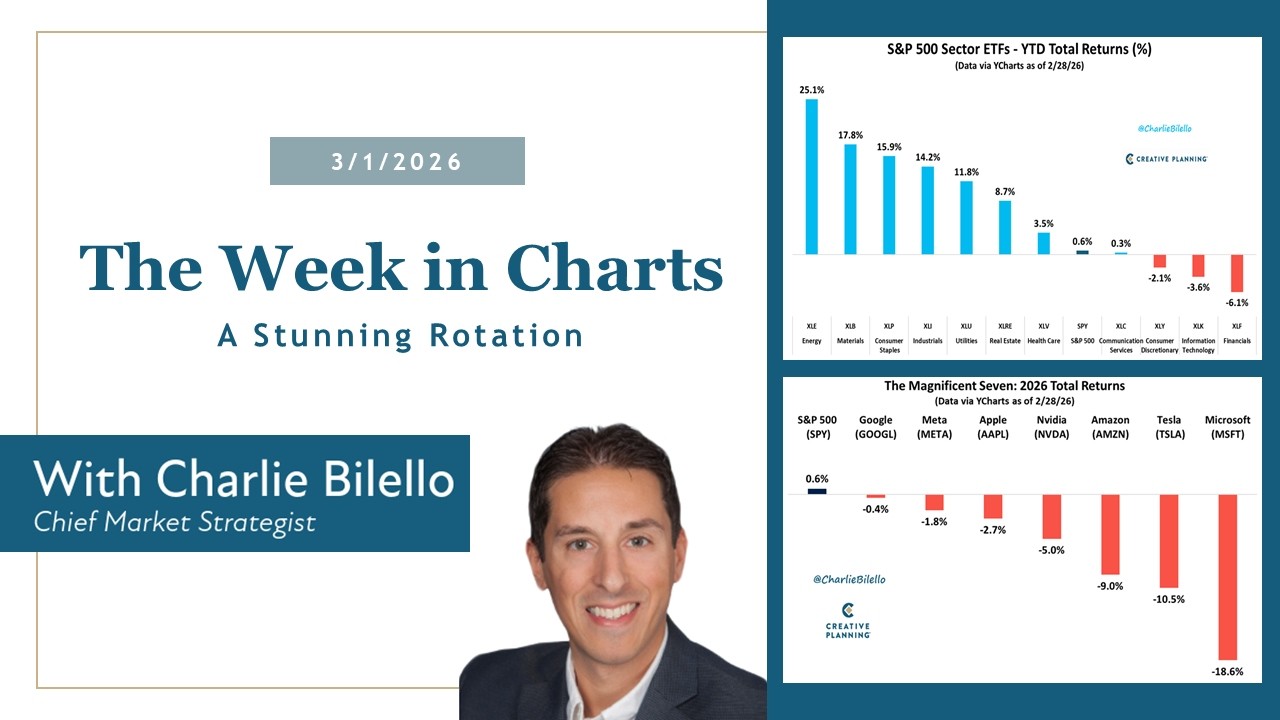
The biggest change in markets right now is a sharp rotation away from U.S. mega-cap growth: International equities, small caps, and value stocks are outperforming while tech and the Mag-7 lag. Energy, materials and staples have surged, signaling a broadening of market leadership after years of concentration. [CB]
-
Credit markets are flashing an early warning signal: Leveraged loans, software credit, and private-credit-linked equities are weakening even as the S&P 500 sits near highs. Historically credit stress tends to lead equity corrections, making this a key risk indicator. [CB]
-
The Fed remains constrained by sticky inflation despite softer growth: Inflation measures remain above target and labor conditions are cooling but not deteriorating. Wells Fargo sees a lower probability of near-term cuts, while BlackRock expects the Fed to remain on hold until clearer inflation progress. [WF][BLK]
-
AI remains a major investment theme, but markets are separating winners from losers: Software valuations are compressing due to AI disruption fears while cybersecurity and digital infrastructure may benefit from the “AI vs AI” arms race as governments and corporations increase spending on digital defense. [JPM-WM][CB]
-
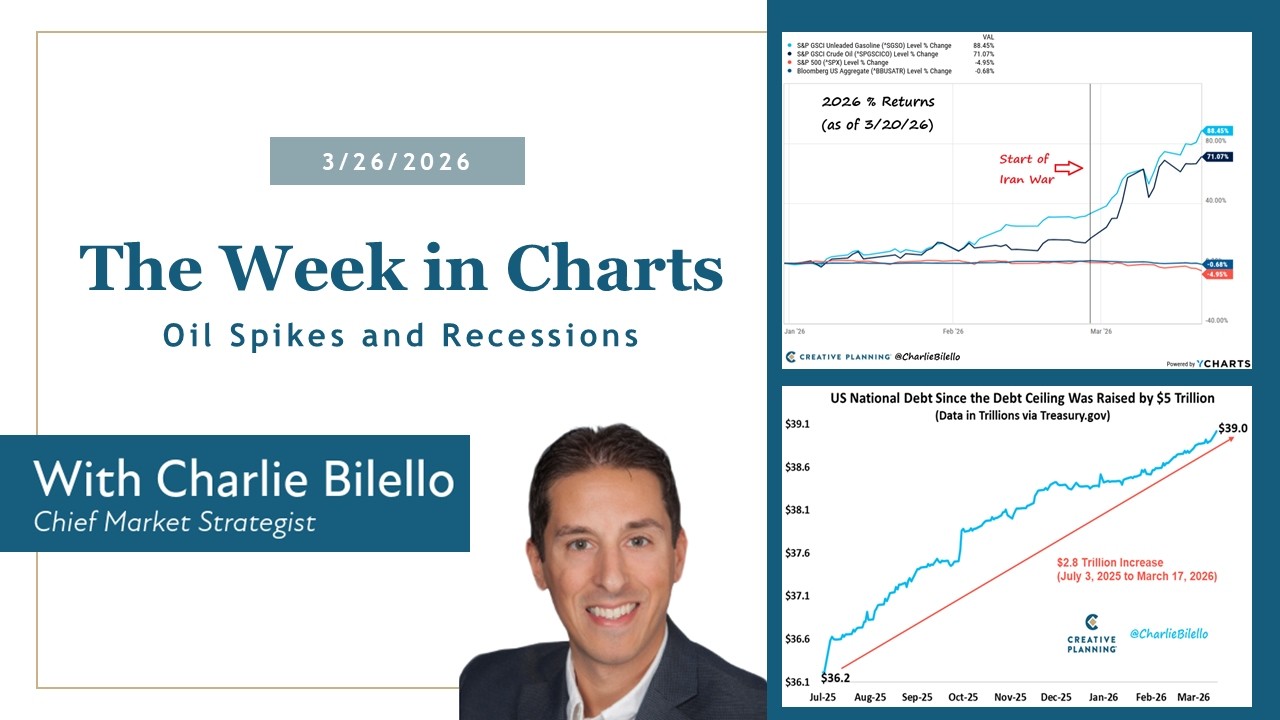
Geopolitics and oil are re-entering the macro narrative: Energy stocks have surged alongside rising crude and gasoline prices amid escalating Middle East tensions, adding uncertainty to the inflation outlook and market sentiment. [CB]
Sources:
Weekly Macro Brief Ending March 30, 2026
-
The inflation impulse has been re-energized, but it may still be temporary if de-escalation comes: BlackRock sees Brent at $112 and asks whether central banks can keep pace with inflation. Bilello stresses that higher oil, gasoline and fertilizer prices can feed into broader CPI and hurt the consumer if the shock persists. But J.P. Morgan Private Bank still thinks de-escalation is the more likely outcome, in which case European duration can work and energy prices could eventually fall back toward the oversupplied conditions that existed before the conflict. [BLK, CB, JPM-PB]
-
Fed hike fears look overdone, but “higher for longer” is real: The cleanest split across sources is this: J.P. Morgan Private Bank argues markets have overreacted by pricing Fed hikes, because long-run inflation expectations have not broken out and oil shocks historically tend to produce a hold, not a hike. BlackRock is directionally similar but more cautious, saying that if oil stays high, the question may shift from “can central banks cut?” to “can they keep up with inflation?” Bilello is more hawkish than both, highlighting a sharp move in market odds toward no cuts and even some hike probability. Net: the most likely path is a prolonged Fed hold, not immediate easing. [JPM-PB, BLK, CB]
-
Tariff pressure is fading at the margin, and that matters more for 2027 than for the next few months: J.P. Morgan AM’s key message is that the “tariff tide is receding”: struck-down IEEPA tariffs are unlikely to be fully replaced, lower tariffs should help reduce inflation later this year, and that could set up more meaningful Fed easing in 2027. Merrill broadly agrees that the feared post-“Liberation Day” collapse never arrived: margins held up, inflation failed to spiral, and trade was rerouted rather than broken. [JPM-AM, MER]
Sources:
https://mlaem.fs.ml.com/content/dam/ML/ecomm/pdf/CMO_Merrill_03-30-2026_ada.pdf

Weekly Macro Brief Ending April 6, 2026
-
Energy shock has become the primary macro driver: The Middle East conflict is now a full-fledged global supply shock, pushing oil above $100 and re-accelerating inflation across regions. Market pricing is no longer driven by tariffs or growth—but by energy and its second-round effects. [BLK][CB]
-
Stagflation risk is no longer theoretical—it’s emerging: A simultaneous surge in commodities (+60%+), declining equities, and rising yields signals an early-stage stagflation regime. Growth expectations are already rolling over as higher energy costs compress real incomes. [CB]
-
Central banks are being forced into a hawkish reset: Markets have rapidly repriced from expected cuts to a prolonged hold, with rising probability of hikes if inflation persists. The Fed is effectively sidelined, with upside inflation risk dominating the policy path. [BLK][CB]
-
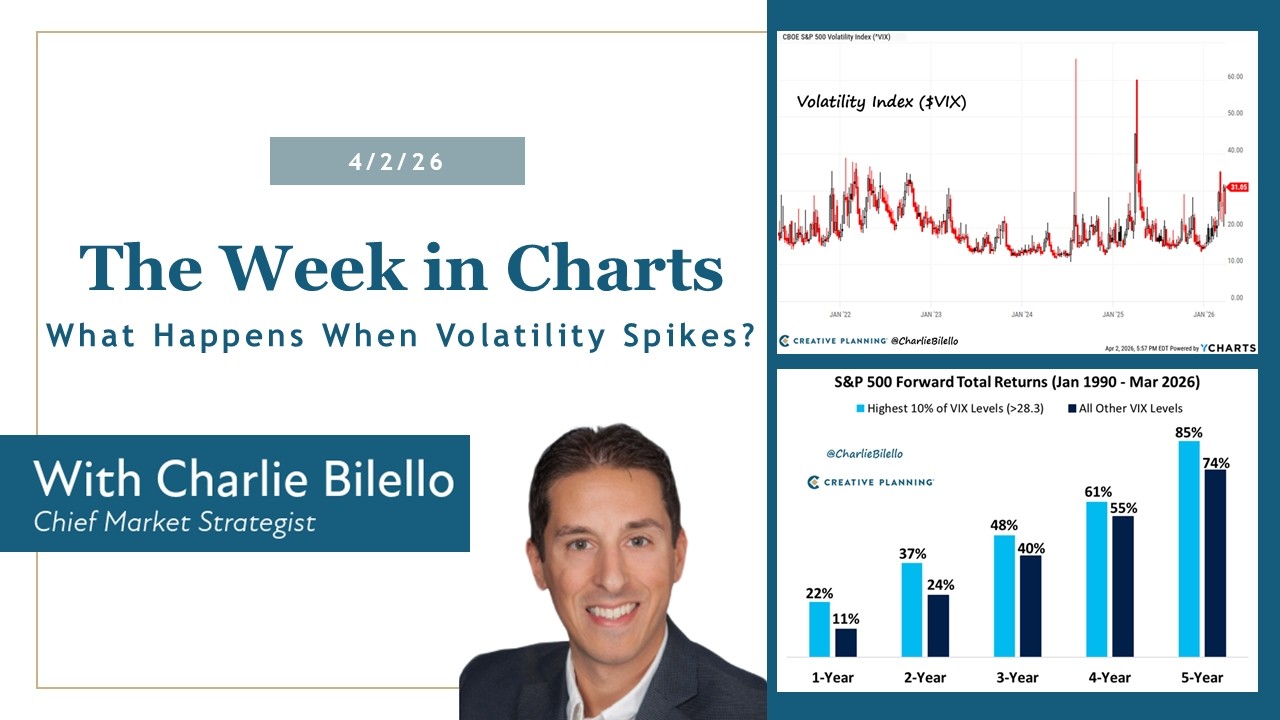
Earnings vs macro is the key unresolved tension: Forward earnings continue to rise even as equities sell off—an unusual divergence that historically doesn’t persist. Resolution is likely through a sharp market move, with direction dependent on conflict duration. [EY]
-
Macro dispersion is widening—selectivity is critical: Energy exporters, Latin America, and AI-linked supply chains are proving resilient, while energy importers (Europe, India) face worsening growth-inflation trade-offs. Regional and sector selection is now a primary alpha driver. [BLK]
Sources:
https://mlaem.fs.ml.com/content/dam/ML/ecomm/pdf/CMO_Merrill_04-06-2026_ada.pdf

Weekly Macro Brief Ending April 13, 2026
-
Energy shock remains the dominant macro driver, but transmission is still partial rather than systemic: BlackRock and Yardeni both emphasize that the Middle East conflict has created a global supply-risk overlay for oil, but markets continue to assume substitution (US + other producers) limits sustained disruption. [EY][BLK]
-
The economy is slowing, not resilient — but it is not breaking either: Yardeni highlights weakening growth expectations (Atlanta Fed ~1.3–1.6%) and flattening real disposable income, while JPM-AM similarly frames growth as “slowing but not stalling.” The key point is trend deceleration, not cyclical collapse. [EY][JPM-AM]
-
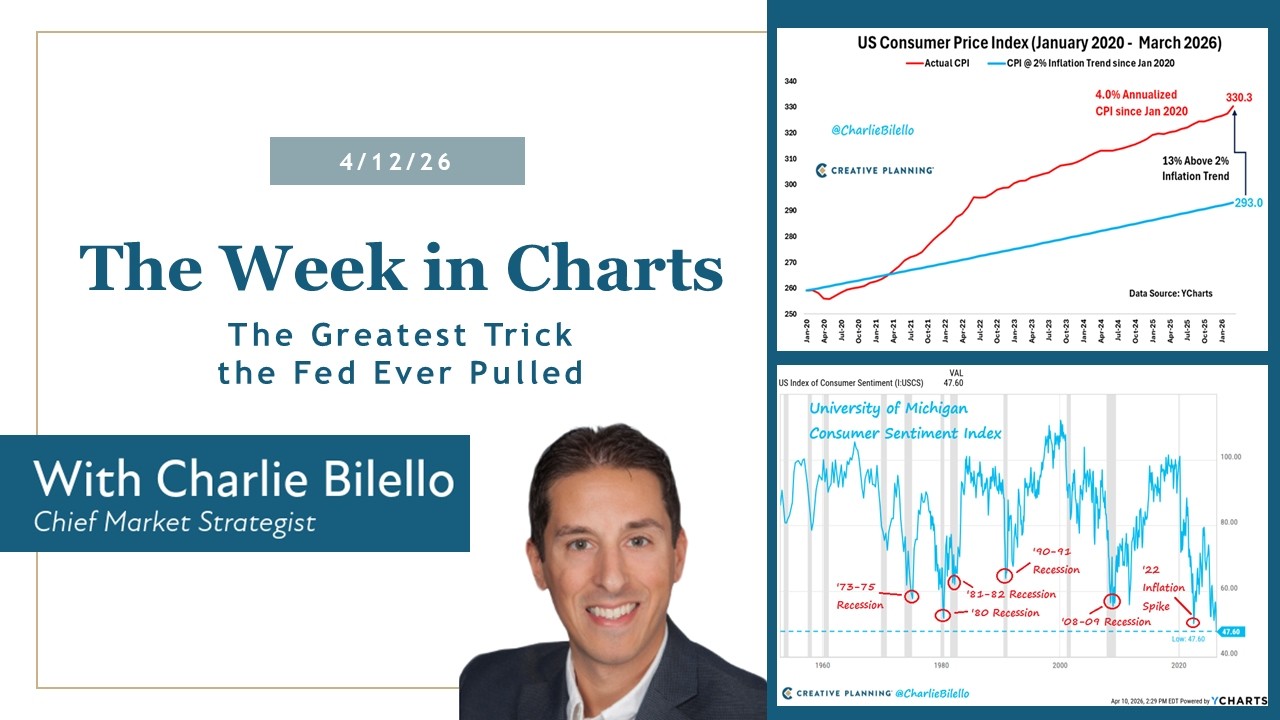
The consumer is weakening beneath stable headline spending: Bilello explicitly flags collapsing sentiment (near multi-decade lows), slowing real wage growth, and rising inflation pressure as early warning signals. Yardeni complements this by noting that spending strength is increasingly concentrated and partially weather- and savings-driven rather than income-led. [CB][EY]
-
Inflation risk is rising again via energy, not demand: BlackRock and Wells Fargo both stress that the inflation impulse is now externally driven (oil, transport, food), not purely domestic demand. This makes it harder for the Fed to “look through” the shock. [BLK][WF]
Sources:
https://mlaem.fs.ml.com/content/dam/ML/ecomm/pdf/CMO_Merrill_04-13-2026_ada.pdf